Dry Eye Treatment in Highlands Ranch: Causes, Symptoms, and the Best Treatment Options
If your eyes frequently feel dry, irritated, watery, or gritty, you may be experiencing dry eye disease. Dry eye is one of the most common conditions treated by eye doctors and affects millions of people every year.
At United Eye Centers, we regularly see patients struggling with dry eye symptoms caused by Colorado’s dry climate, increased screen time, and underlying eyelid or tear film issues.
The good news is that modern treatments can significantly improve comfort and vision when the condition is properly diagnosed and treated.
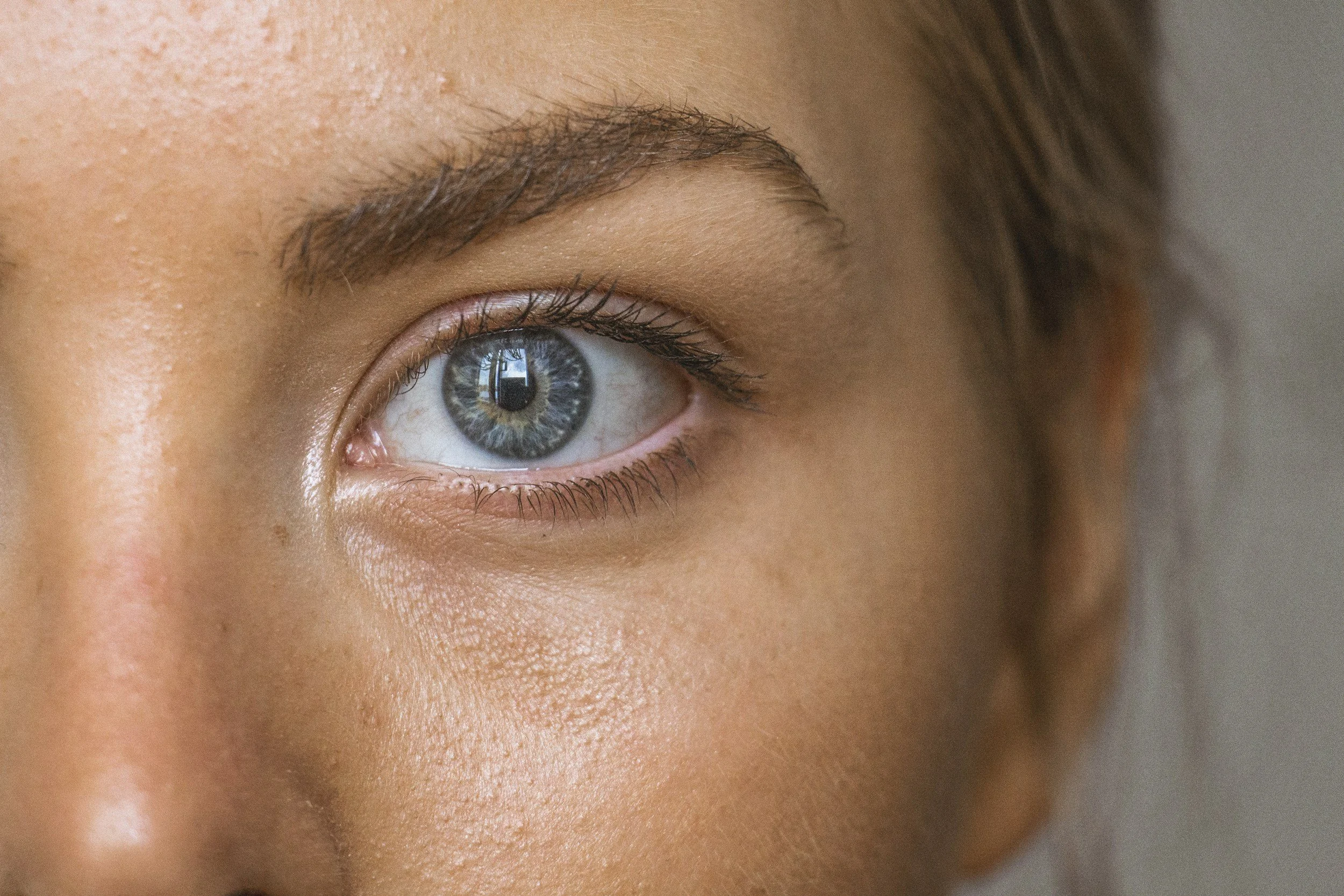
Why Dry Eye Is So Common in Colorado
People living in Highlands Ranch and the surrounding Denver area often experience dry eye more frequently due to environmental factors.
Low Humidity
Colorado’s dry climate causes tears to evaporate faster, leaving the surface of the eyes irritated and inflamed.
High Altitude
Higher elevations increase exposure to wind and UV light, which can contribute to tear film instability.
Indoor Heating and Air Conditioning
Heating systems during winter and air conditioning in summer reduce indoor humidity, worsening dry eye symptoms.
Increased Screen Use
When using computers, phones, and tablets, people blink less frequently. Reduced blinking prevents tears from spreading properly across the eye surface.
Common Symptoms of Dry Eye
Dry eye symptoms can vary from mild irritation to more severe discomfort. Common symptoms include:
Burning or stinging eyes
Red or irritated eyes
A gritty or sandy feeling
Blurry vision that improves when blinking
Watery eyes
Eye fatigue during computer use
Sensitivity to light
Difficulty wearing contact lenses
If you regularly experience these symptoms, an evaluation by an eye doctor can help determine the cause and best treatment options.
What Causes Dry Eye?
Dry eye typically occurs when tears do not provide adequate lubrication for the eye. This may happen when:
The eyes do not produce enough tears
Tears evaporate too quickly
The oil glands in the eyelids become blocked or inflamed
Inflammation disrupts the tear film
Because dry eye can have multiple causes, effective treatment often requires a personalized approach.
Dry Eye Treatment Options
At United Eye Centers, we offer a comprehensive range of dry eye treatments designed to address the underlying causes of the condition.
Your doctor may recommend one or a combination of the following treatments depending on the severity of your symptoms.
Eye Drops for Dry Eye
Eye drops are often the first step in managing dry eye symptoms.
Artificial Tears
Over-the-counter artificial tears help lubricate the surface of the eye and provide temporary relief from dryness and irritation.
Prescription Dry Eye Drops
Prescription medications can reduce inflammation and improve tear production.
Examples include:
Restasis
Xiidra
Cequa
Meibo
Xdemvy
These medications work in different ways to improve tear quality, reduce inflammation, and address underlying causes of dry eye.
Omega Fatty Acid Supplements
Omega-3 fatty acids can help support healthy tear production and improve the oil layer of the tear film.
Many dry eye patients benefit from high-quality supplements such as PRN Omega vitamins, which are specifically formulated to support ocular surface health.
Warm Compresses and Lid Hygiene
Blocked oil glands in the eyelids are a common cause of dry eye.
Simple at-home treatments may include:
Warm compresses applied to the eyelids
Lid scrubs to remove debris and bacteria
Eyelid hygiene routines to improve gland function
These treatments help restore healthy oil flow to the tear film.
Punctal Plugs and Lacrifill
If tears drain too quickly from the eyes, your doctor may recommend punctal plugs.
Punctal plugs are small, biocompatible devices placed in the tear ducts to help retain tears on the surface of the eye.
Another option is Lacrifill, a longer-lasting gel that fills the tear drainage system and helps keep natural tears on the eye for extended relief.
These treatments can significantly improve symptoms for many dry eye patients.
IPL and Radiofrequency Therapy
For patients with meibomian gland dysfunction (MGD), advanced treatments such as Intense Pulsed Light (IPL) combined with radiofrequency (RF) therapy can be highly effective.
These treatments work by:
reducing inflammation
improving oil gland function
stabilizing the tear film
IPL therapy can help restore healthier tear production and improve long-term eye comfort.
Low Level Light Therapy (LLLT)
Low Level Light Therapy (LLLT) is a non-invasive treatment that uses therapeutic light energy to stimulate cellular activity and support healthy gland function.
LLLT can improve tear film stability and reduce inflammation, helping many patients achieve lasting relief from chronic dry eye symptoms.
When to See a Dry Eye Specialist
If you are using artificial tears frequently but still experience discomfort, it may be time to schedule a comprehensive dry eye evaluation.
Untreated dry eye can lead to chronic irritation, fluctuating vision, and inflammation of the ocular surface.
An eye doctor can evaluate tear production, gland function, and ocular surface health to determine the best treatment options.
Find Dry Eye Relief in Highlands Ranch
Living with dry, irritated eyes can make everyday activities such as reading, driving, and using digital devices uncomfortable.
At United Eye Centers, our doctors provide advanced diagnostics and a full range of modern dry eye treatments to help patients achieve lasting relief.
If you are experiencing burning, redness, watery eyes, or blurry vision, scheduling an eye exam is the first step toward healthier and more comfortable eyes.
Contact our office today to learn more about your treatment options and schedule a comprehensive dry eye evaluation.
FAQ About Dry Eye
Can dry eye go away on its own?
Mild dry eye may improve with lifestyle changes, but persistent symptoms often require treatment to prevent ongoing irritation.
Is dry eye permanent?
Many cases of dry eye can be effectively managed with the right treatment plan.
Can screen time make dry eye worse?
Yes. Extended screen use reduces blinking, which can lead to tear evaporation and increased dryness.